AI content creation can be worth it when used strategically as part of a broader content strategy. Modern AI tools excel at producing initial drafts, generating ideas, and handling repetitive content tasks, but they work best when combined with human oversight for quality, accuracy, and brand alignment. The value depends on your content volume needs, budget constraints, and quality standards.
⚡ Quick Verdict: Is AI Content Creation Worth It?
- Best for high-volume, structured content: AI tools deliver the strongest return when you need consistent output at scale, think product descriptions, FAQ pages, blog drafts, and email templates.
- Hybrid workflows outperform AI alone: The best results come from combining AI efficiency with human creativity, fact-checking, and brand oversight, not replacing one with the other.
- Significant cost savings are realistic: Businesses producing 10 or more articles per month can typically reduce content costs by 60–80% compared to freelancers or agencies.
- SEO performance can be strong: AI content ranks well when it is properly fact-checked, optimised for search intent, and enhanced with unique insights, search engines reward quality, not creation method.
- Risks are manageable with the right processes: Factual inaccuracies, brand voice inconsistencies, and generic output are real concerns, but they can be controlled through human review, clear guidelines, and regular quality audits.
Read on for a full breakdown of costs, quality comparisons, SEO performance, and which content types work best with AI tools.
How much does AI content creation actually cost compared to traditional methods?
AI content creation typically costs a fraction of traditional methods, but the right choice depends on your content volume, quality requirements, and available resources. The table below breaks down the key options at a glance:
| Method | Typical Cost Range | Best For |
|---|---|---|
| AI Tools | €20–150/month (subscription) | High-volume, structured content; businesses needing consistent output at scale |
| Freelance Writers | €50–200 per article (€0.10–0.50/word) | One-off projects, specialist topics, or lower-volume content needs |
| Content Agencies | €3,000–10,000/month | Brands needing fully managed, end-to-end content strategy and production |
| In-House Writers | €25,000–50,000/year (salary) | Businesses with ongoing, high-volume needs and strong brand voice requirements |
The break-even point typically occurs when you need more than 10–15 articles per month. Below this threshold, quality freelancers often provide better value. Above it, AI tools can reduce costs by 60–80% while maintaining acceptable quality levels for many content types. For example, a business publishing 20 blog posts per month could save approximately €1,500–€3,000 monthly by switching to an AI-assisted workflow compared to commissioning freelancers or working with an agency.
Most AI writing platforms use subscription pricing models ranging from basic plans at €15–30 monthly to professional tiers at €50–150 monthly. Some tools charge per word or per generation, which can add up quickly for heavy users. Hidden costs to factor in include time spent editing AI output, fact-checking, and any additional SEO optimisation tools you may need.
ROI considerations include the time saved on initial drafts, the ability to test more content ideas, and faster turnaround times. However, always factor in editing time and the potential need for human oversight to maintain quality standards, a hybrid AI and human workflow typically delivers the strongest return on investment.
What Google Says About AI Content in 2026
Google’s position on AI-generated content has become increasingly clear: the creation method is not the issue — the quality and helpfulness of the output is. As of 2026, Google continues to enforce its E-E-A-T framework (Experience, Expertise, Authoritativeness, and Trustworthiness) as the primary lens through which content quality is assessed, and AI content is held to exactly the same standard as human-written content.
What this means in practice is that AI content lacking first-hand experience signals, original data, or demonstrable subject-matter expertise is at a measurable disadvantage in competitive niches. Google’s systems are increasingly capable of identifying thin, generic content — a hallmark of unedited AI output — and deprioritising it in favour of content that demonstrates real-world knowledge and credibility.
To make AI-generated content E-E-A-T compliant and competitive in search, apply the following best practices:
- Add verified author credentials: Assign content to named authors with relevant expertise, and include author bios that highlight their professional background. This directly supports the Expertise and Authoritativeness signals Google evaluates.
- Cite original and authoritative sources: Link to primary research, official publications, and reputable industry sources. Avoid relying solely on AI-generated summaries of secondary information, which can introduce inaccuracies and weaken trust signals.
- Incorporate proprietary data or unique insights: Supplement AI drafts with original statistics, case studies, internal survey results, or first-hand observations. This is one of the most effective ways to differentiate AI-assisted content and satisfy the Experience component of E-E-A-T.
- Ensure factual accuracy through expert review: Have a subject-matter expert review AI output before publication, particularly for technical, medical, financial, or legal topics. Factual errors not only harm user trust but can trigger manual quality reviews from Google’s search quality raters.
The bottom line is that AI content can rank well in 2026, but only when it is treated as a starting point rather than a finished product. Combining AI efficiency with human expertise, credible sourcing, and genuine insight is the formula that satisfies both users and Google’s quality guidelines.
What exactly is AI content creation and how does it work?
AI content creation uses machine learning algorithms to generate written content, images, and multimedia based on prompts and training data. These systems analyse vast amounts of existing content to understand patterns, language structures, and topic relationships, then produce new content that mimics human writing styles.
The technology works through natural language processing models that have been trained on billions of text examples. When you provide a prompt or topic, the AI draws from this training to predict what words and phrases should come next, creating coherent sentences and paragraphs that match your requirements.
Modern AI content tools can produce various formats including blog posts, product descriptions, social media captions, email copy, and even video scripts. Some platforms also generate accompanying images, infographics, and other visual elements to create complete content packages.
The underlying technology relies on transformer models and neural networks that understand context, tone, and subject matter. However, these systems work probabilistically rather than with true understanding, which explains both their impressive capabilities and their limitations in accuracy and creativity.
How much does AI content creation actually cost compared to traditional methods?
AI content creation typically costs €20-100 per month for subscription tools, compared to €50-200 per article for freelance writers or €3,000-10,000 monthly for content agencies. The cost advantage becomes more significant as your content volume increases, making AI particularly attractive for businesses needing regular, high-volume content output.
Most AI writing platforms use subscription pricing models ranging from basic plans at €15-30 monthly to professional tiers at €50-150 monthly. Some tools charge per word or per generation, which can add up quickly for heavy users. Hidden costs include time spent editing AI output, fact-checking, and potential SEO optimisation tools.
Traditional content creation involves hiring freelancers at €0.10-0.50 per word, working with agencies that charge €100-500 per piece, or employing full-time writers with salaries of €25,000-50,000 annually. These costs include research time, revisions, and project management overhead.
The break-even point typically occurs when you need more than 10-15 articles monthly. Below this threshold, quality freelancers often provide better value. Above it, AI tools can reduce costs by 60-80% while maintaining acceptable quality levels for many content types.
ROI considerations include the time saved on initial drafts, ability to test more content ideas, and faster turnaround times. However, factor in editing time and the potential need for human oversight to maintain quality standards.
What’s the real difference between AI-generated and human-written content quality?
AI-generated content excels at structure, grammar, and covering basic information comprehensively, while human writers typically produce more engaging, creative, and emotionally resonant content. AI maintains consistency across large volumes but often lacks the nuanced understanding and original insights that characterise exceptional human writing.
In terms of accuracy, AI can struggle with recent events, specific technical details, and factual claims that require verification. Human writers bring research skills, critical thinking, and the ability to synthesise information from multiple sources with proper context and analysis.
Brand voice consistency presents interesting trade-offs. AI can maintain a consistent tone once properly configured, but human writers better understand subtle brand nuances, audience psychology, and when to break established patterns for greater impact.
Creativity and originality remain human strengths. While AI generates novel combinations of existing ideas, humans create truly original concepts, compelling narratives, and innovative approaches that resonate deeply with audiences.
Recent improvements in AI technology have narrowed quality gaps significantly. Current models produce more natural language, better understand context, and generate more engaging content than earlier versions. However, the best results still come from hybrid approaches combining AI efficiency with human creativity and oversight.
How does AI content perform for SEO and search engine rankings?
AI-generated content can perform well for SEO when properly optimised and fact-checked, as search engines focus on content quality, relevance, and user satisfaction rather than creation method. Google’s guidelines don’t penalise AI content specifically, but emphasise the importance of helpful, accurate, and original information regardless of how it’s produced.
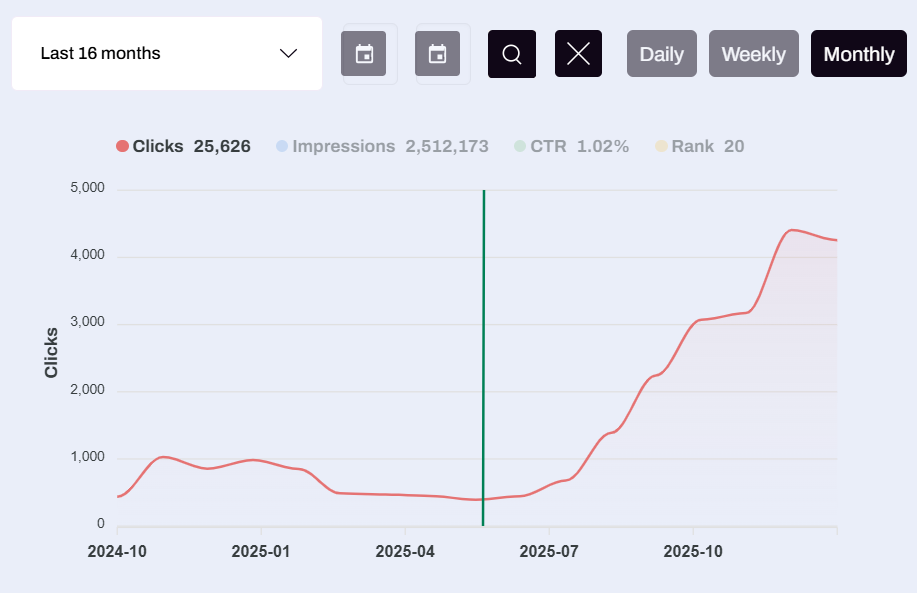
Search engines evaluate content based on factors like topical authority, user engagement, technical optimisation, and overall helpfulness. Well-structured AI content that covers topics comprehensively and includes relevant keywords can rank effectively, particularly for informational queries and long-tail keywords.
The key is ensuring AI content meets quality standards that search engines reward. This includes accurate information, proper keyword integration, clear structure with appropriate headings, and content that genuinely serves user search intent.
SEO best practices for AI content include thorough fact-checking, adding unique insights or data, optimising for featured snippets, and ensuring content aligns with search intent. Many successful sites use AI for initial drafts then enhance with human expertise, research, and optimisation.
Performance varies by content type and competition level. AI content often performs well for product descriptions, FAQ pages, and informational articles, but may struggle in highly competitive niches where expertise, authority, and trust signals are crucial ranking factors.
What are the biggest risks and limitations of using AI for content creation?
The primary risks include factual inaccuracies, potential plagiarism issues, inconsistent brand voice, and over-reliance on automation that can diminish content authenticity. AI systems can confidently present incorrect information, create content similar to existing sources, and struggle with nuanced topics requiring human judgement and expertise.
Accuracy concerns are particularly problematic for technical subjects, recent events, and specific data points. AI models trained on older information may provide outdated facts, while their tendency to generate plausible-sounding but incorrect information can mislead readers and damage credibility.
Legal and ethical considerations include potential copyright infringement if AI reproduces existing content too closely, privacy concerns around data usage, and questions about transparency when using AI-generated content without disclosure.
Brand voice inconsistencies can occur when AI doesn’t fully grasp subtle communication nuances, company values, or audience-specific language preferences. This risk increases when multiple team members use AI tools without clear guidelines or oversight.
Over-reliance on automation can lead to generic, formulaic content that lacks the human insights and creativity that differentiate brands. There’s also the risk of losing content creation skills and institutional knowledge when teams become too dependent on AI tools.
Mitigation strategies include implementing human review processes, fact-checking protocols, clear AI usage guidelines, regular quality audits, and maintaining human involvement in strategy and creative direction.
Frequently Asked Questions
Can you really make €1,000 a day with AI content creation?
It is possible but not typical, and rarely immediate. Some content creators and agencies do generate significant revenue using AI-assisted workflows, but reaching that level requires an established audience, strong SEO foundations, or a roster of paying clients. AI tools reduce production costs and increase output capacity, which can improve margins over time. For most SMBs and marketers in 2026, a realistic expectation is meaningful cost savings and faster content scaling, not overnight income transformation.
Is AI-generated content considered plagiarism?
Not inherently, but the risk exists. AI models generate new text based on patterns learned from existing content rather than copying it directly. However, AI can occasionally produce passages that closely resemble source material, particularly for niche topics with limited training data. To minimise risk, always run AI output through a plagiarism checker, verify originality, and add unique insights before publishing. Academic and journalistic contexts may have stricter standards, so check the relevant guidelines for your industry.
Do I need to disclose when content is AI-generated?
There is currently no universal legal requirement to disclose AI-generated content for general marketing or blog use, but transparency is increasingly expected. Google does not require disclosure, but its E-E-A-T guidelines reward content that demonstrates genuine human expertise and experience. Some industries, including finance, healthcare, and journalism, may have specific obligations. As best practice in 2026, consider adding an editorial note if AI played a significant role, particularly for content where trust and credibility are paramount.
How long does it take to set up an effective AI content workflow?
Most businesses can establish a functional AI content workflow within two to four weeks. The initial setup involves selecting the right tools, creating prompt templates, defining brand voice guidelines, and establishing a human review process. The first month typically includes testing and refinement as you learn what works for your content types and audience.
What is the difference between using an AI content agency and doing it in-house?
An AI content agency combines AI tools with experienced human strategists, editors, and SEO specialists, offering a managed service where you hand over the process entirely. In-house AI content creation gives you more control, lower per-unit costs, and faster iteration, but requires internal expertise and ongoing time investment. Agencies are better suited to businesses without content teams or those needing immediate scale. In-house workflows offer stronger long-term ROI for businesses willing to invest in setup and training upfront.
Which AI content tools are best for small businesses?
The best tool depends on your specific needs, but small businesses typically benefit most from platforms that combine writing assistance with SEO functionality. Popular options include tools that integrate directly with WordPress, offer keyword research features, and support long-form content generation. When evaluating tools, prioritise ease of use, output quality for your content types, and whether the platform supports human editing workflows. A free trial period is always worth using before committing to a paid subscription.